

Remembering.
Gathering.
Planning.
Aspiring.
Matariki marks the traditional Māori New Year - Te Mātahi o te Tau, and is a unique and important family time in the calendar. It is an ending and a beginning of a yearly cycle allowing whānau to rest, reflect, celebrate and plan for the coming year. Family and friends gather to share food, honour the harvest, and give thanks for local kai from the whenua of Aotearoa. Loved ones and tūpuna who have passed are remembered.
The event of Matariki takes its name from the Matariki star cluster in the night sky. It is known in the natural science of astronomy as the Pleiades. While there are many stars in the cluster, many contemporary Matariki teachings recognise nine significant whetū, each associated with aspects of the environment and human wellbeing. Some iwi traditions recognise seven stars, and some rohe mark the Māori New Year through Puanga, so the kōrero may differ across iwi, hapū and whānau.
In te ao Māori, the Māori worldview, human beings and the environment are inextricably linked, and the nine stars serve as guides, sources of energy, and pathways to physical and spiritual vitality.
The moment most closely associated with Matariki is its heliacal rising - when the cluster appears low on the north-eastern horizon just before dawn. This celestial event is observed annually around June or July. In 2026, the Matariki period falls from 8–11 July, with the public holiday on Friday 10 July.
An introduction to the wisdom and understanding, the mātauranga, behind the nine Matariki whetū, stars, is:

Matariki: She is recognised as the Mother of the other eight stars signifying health and wellbeing of people, reflection, and connection to the environment.
Pōhutukawa: This star connects the cluster to loved ones from ancestral lineage, tūpuna, who have passed away, and nurtures memories of them for the living.
Tupuānuku: This star is connected with food that grows in the ground, reminding us of kai, rongoā, nourishment, and the wellbeing that comes from the whenua.
Tupuārangi: The sky star is associated with life above ground, such as fruit, tree bark, and the bees and birds.
Waitī: The water star represents fresh water and the life it sustains in water bodies of the land, such as our streams and rivers, tarns and lakes.
Waitā: The ocean star's domain is naturally the salt water and the creatures of the sea.
Waipuna-ā-rangi: The rain star is a guide for life-giving rain and different types of atmospheric moisture.
Ururangi: The wind star is connected to the nature of the winds and weather patterns.
Hiwa-i-te-rangi: The youngest star in the cluster, to which you can send your aspirations and intentions for the year ahead. Wish upon a star!
Infusing Tī Ani with the Whetū
At Tī Ani we treasure our wildcrafted native teas of Aotearoa and their authentic connection with Matariki. They are steeped in tikanga Māori, care for the whenua, and respect for the seasonal rhythms of te taiao, the natural world. Rongoā Māori, Māori healing practice, is deeply connected with the rhythms of the whenua, the seasons, and the maramataka. For Tī Ani, Matariki offers a meaningful time to reflect on our relationship with native plants, careful harvesting, preparation, and wellbeing. It is also a time to give thanks for the healing resources of te taiao and to consider how we care for them for future generations.
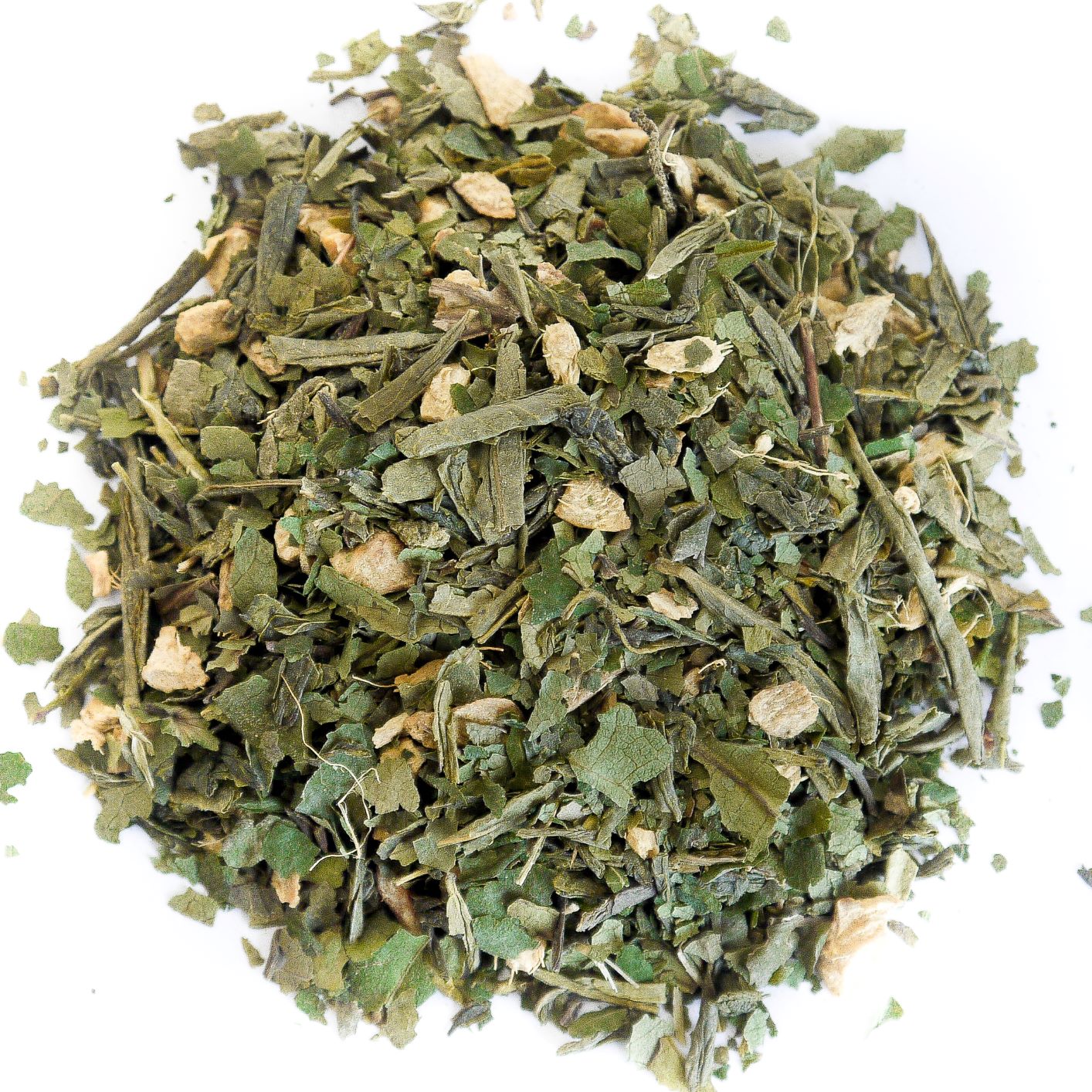
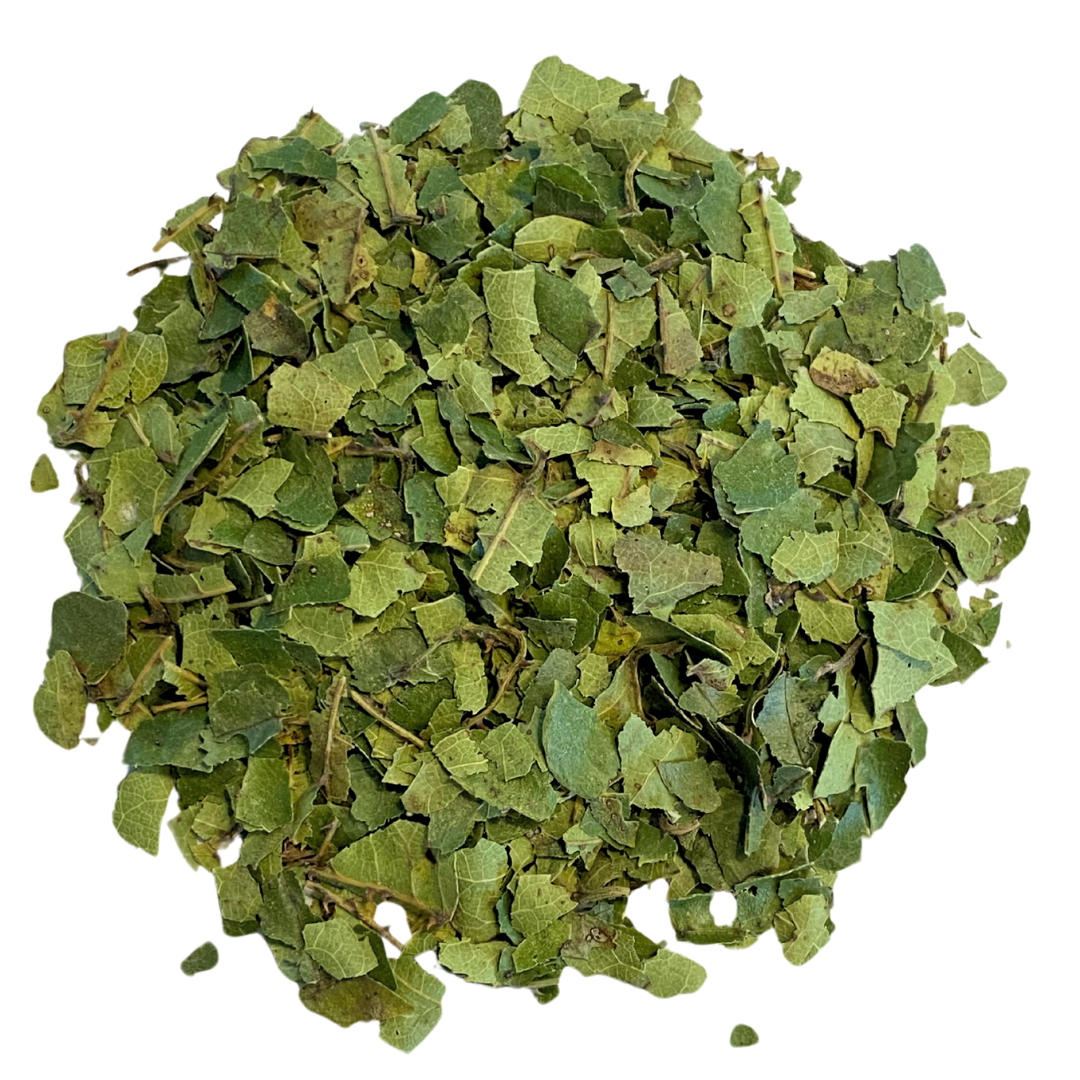
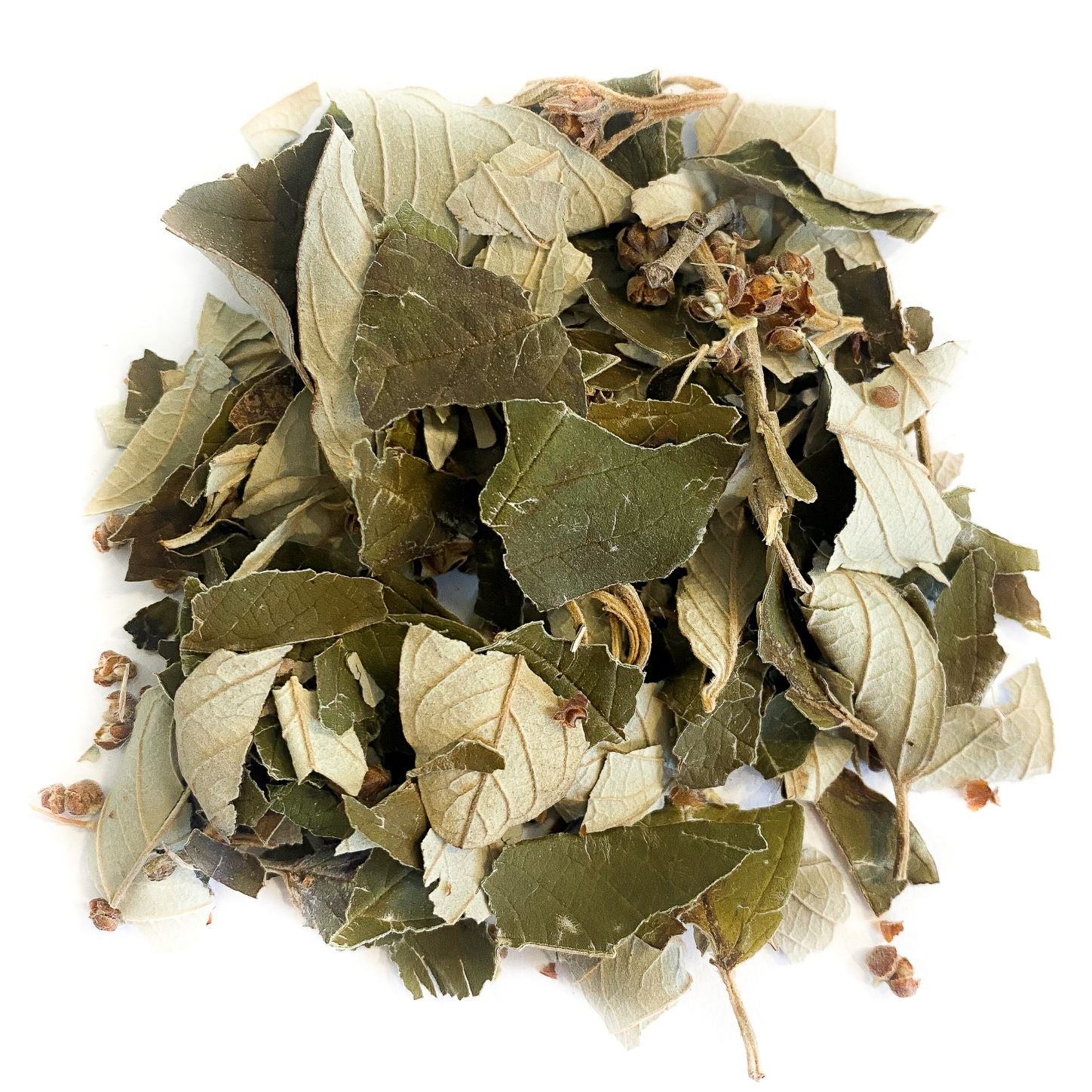
Tupuānuku, the Earth Star, reminds us of the plants that grow close to the earth and the nourishment that comes from the whenua. This is where we think of beloved native plants such as kūmarahou, mānuka, tātarāmoa, kawakawa and horopito - plants traditionally valued in rongoā Māori and now offered by Tī Ani as beautiful loose leaf teas. You can explore these native teas in our online Tī Ani shop.
The Sky Star of Tupuārangi connects us to the gifts found above the ground - fruits, flowers, leaves, bark, birds, bees and the life held within the ngahere. For Tī Ani, Tupuārangi reminds us of the aromatic plants, blossoms and forest resources that have long been treasured in traditional infusions, tonics and everyday wellbeing practices.
Waipuna-ā-Rangi, the Rain Star, is fundamental to life. Rain nourishes the whenua, replenishes waterways, supports plant growth, and reminds us of the relationship between water, soil, plants and people. In a simple cup of tea, water becomes the carrier of warmth, aroma, flavour and reflection.
The Wind Star, Ururangi, reminds us of the movement of winds, changing weather patterns, seed dispersal, and the breath of the natural world. The winds carry change, clear the air, and help continue the cycles of plant life.
At Tī Ani we uphold the connection to Hiwa-i-te-rangi, the wishing star of Matariki. Beyond physical care, wellbeing also involves the mind, the spirit, and our sense of connection. We can direct our aspirations, intentions and karakia to Hiwa-i-te-rangi for the year ahead. This Matariki, Tī Ani will be setting intentions to continue offering beautiful, supportive tea blends inspired by the land of these islands we call home - Aotearoa New Zealand.
Mānuka Matariki Recipe

Tī Ani invites you to make the following tea recipe this Matariki to bring the spirit of the whetū into your cup. It would be wonderful to drink from a flask while observing Matariki rising on the dawn horizon this winter while snuggled in a rug. However this infusion recipe serves your immunity through the winter season at any time of day.
Serves 2.
Ingredients
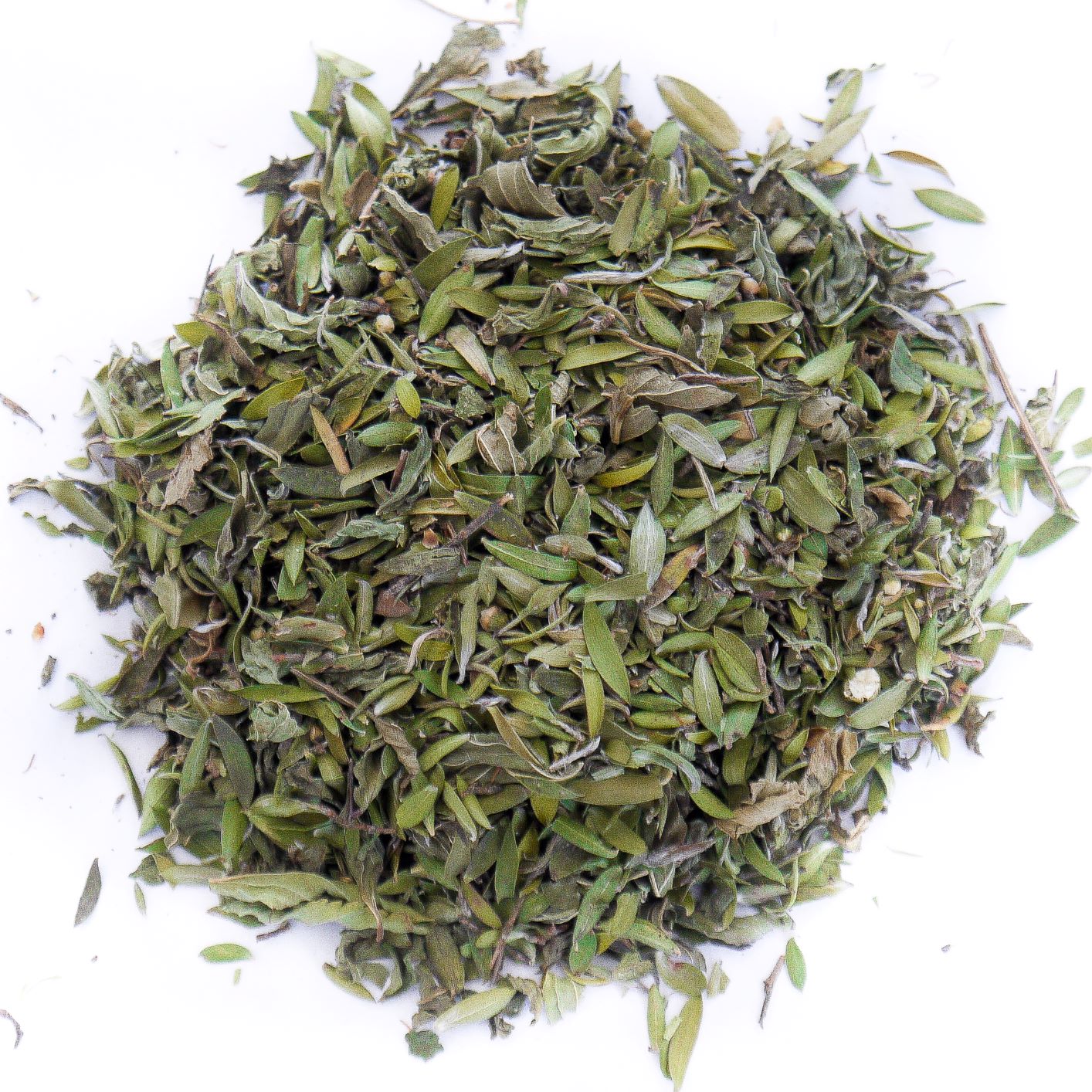
- ½ tablespoon of Tī Ani Mānuka loose leaf tea.
- 500ml of freshly boiled water, which has been allowed to rest until the steam has settled to avoid scorching the mānuka leaves.
- 1–2 spray free lemons, juiced.
- Lemon zest.
- Raw Mānuka honey or other raw native bush honey of your choice.
Method
Infuse the Tī Ani Mānuka loose leaf tea in the water for 5 to 10 minutes in a tea pot. Strain into cups. The tea tends to taste bitter when infused longer. Add the lemon juice and honey to taste. Cut thin lemon zest strips adding to the cups of tea to make a beautiful visual effect, and to be eaten for their nutritional value. Infuse with the whetū!
To make the nine Matariki whetū easier to remember, we've grouped them by the ways they connect to people, kai, water and weather.