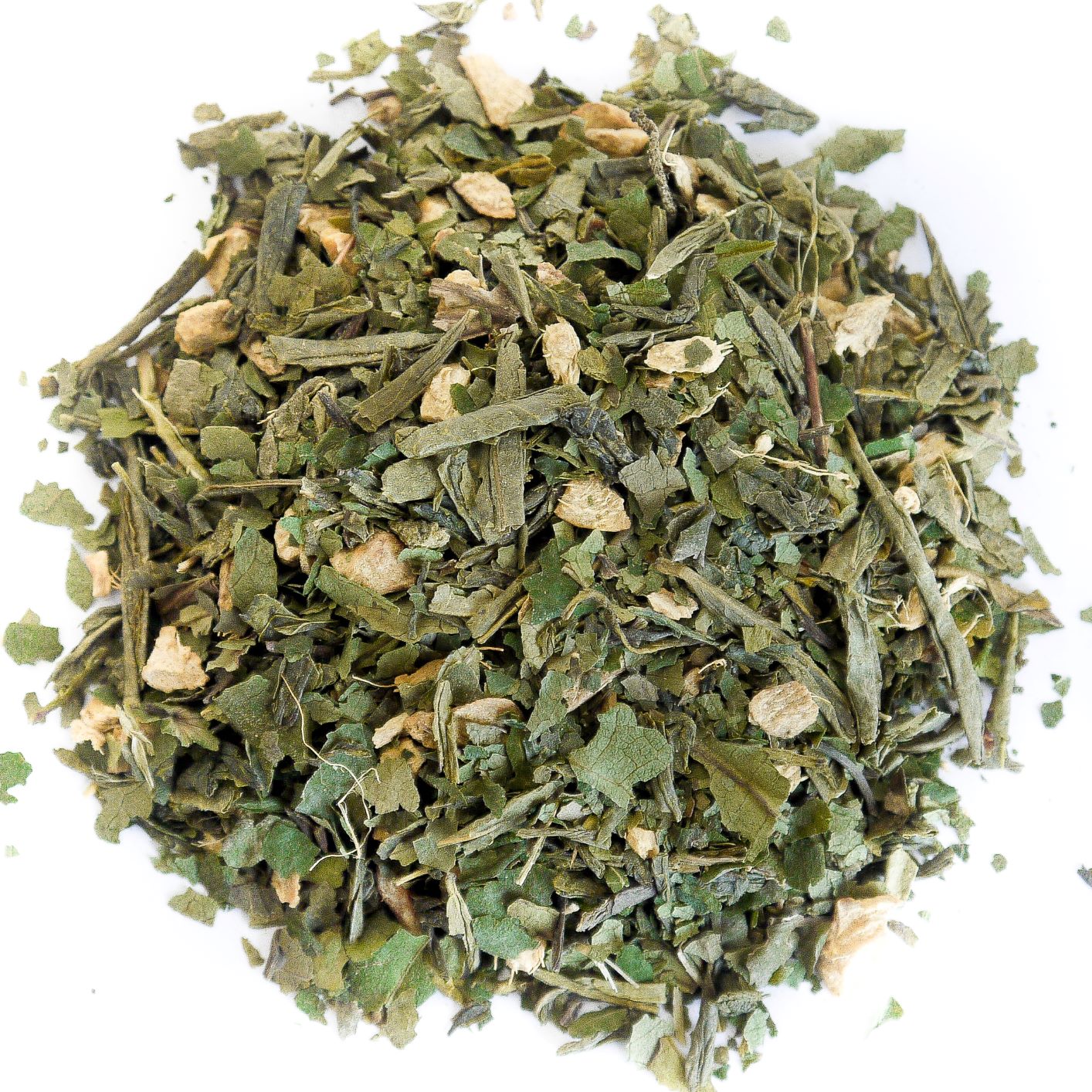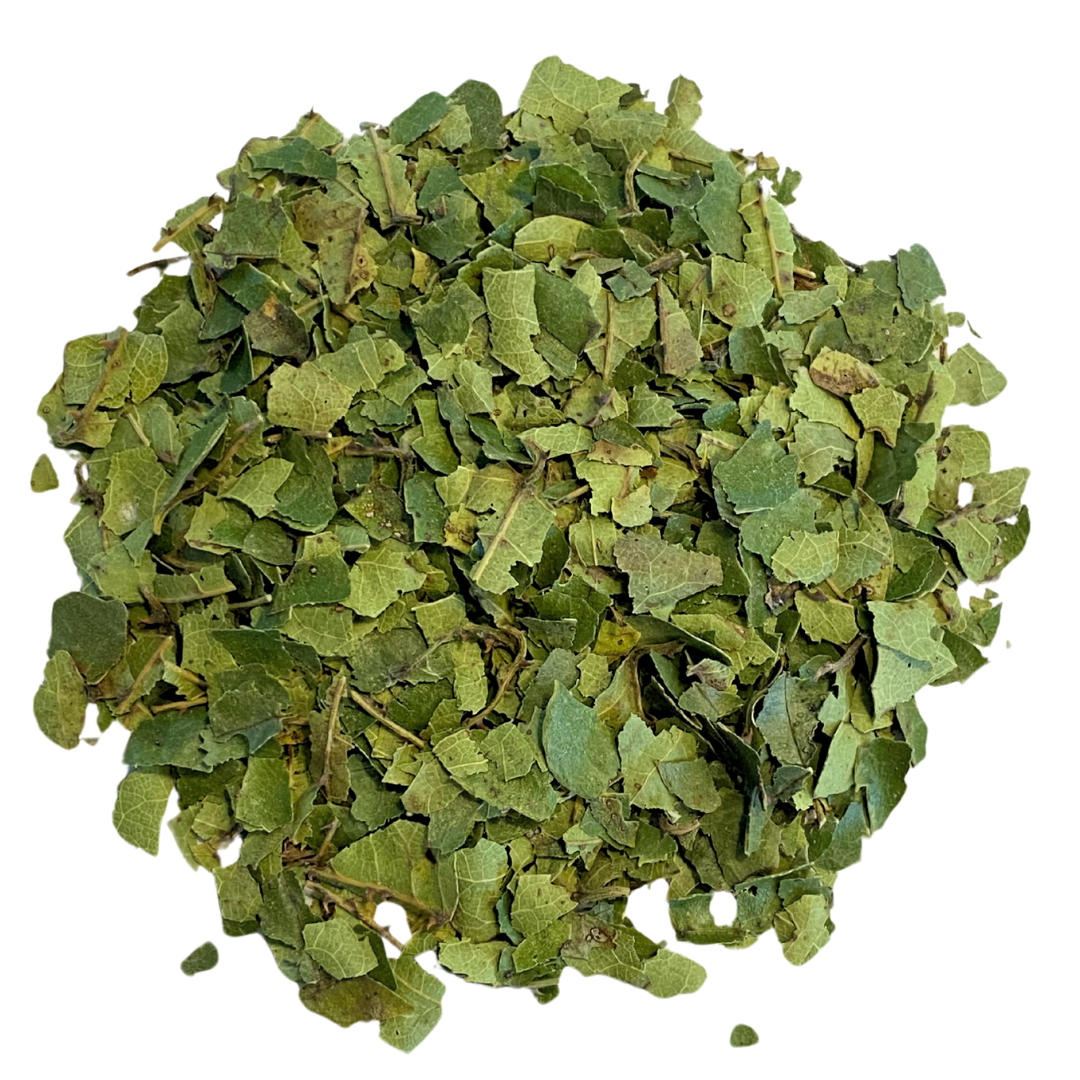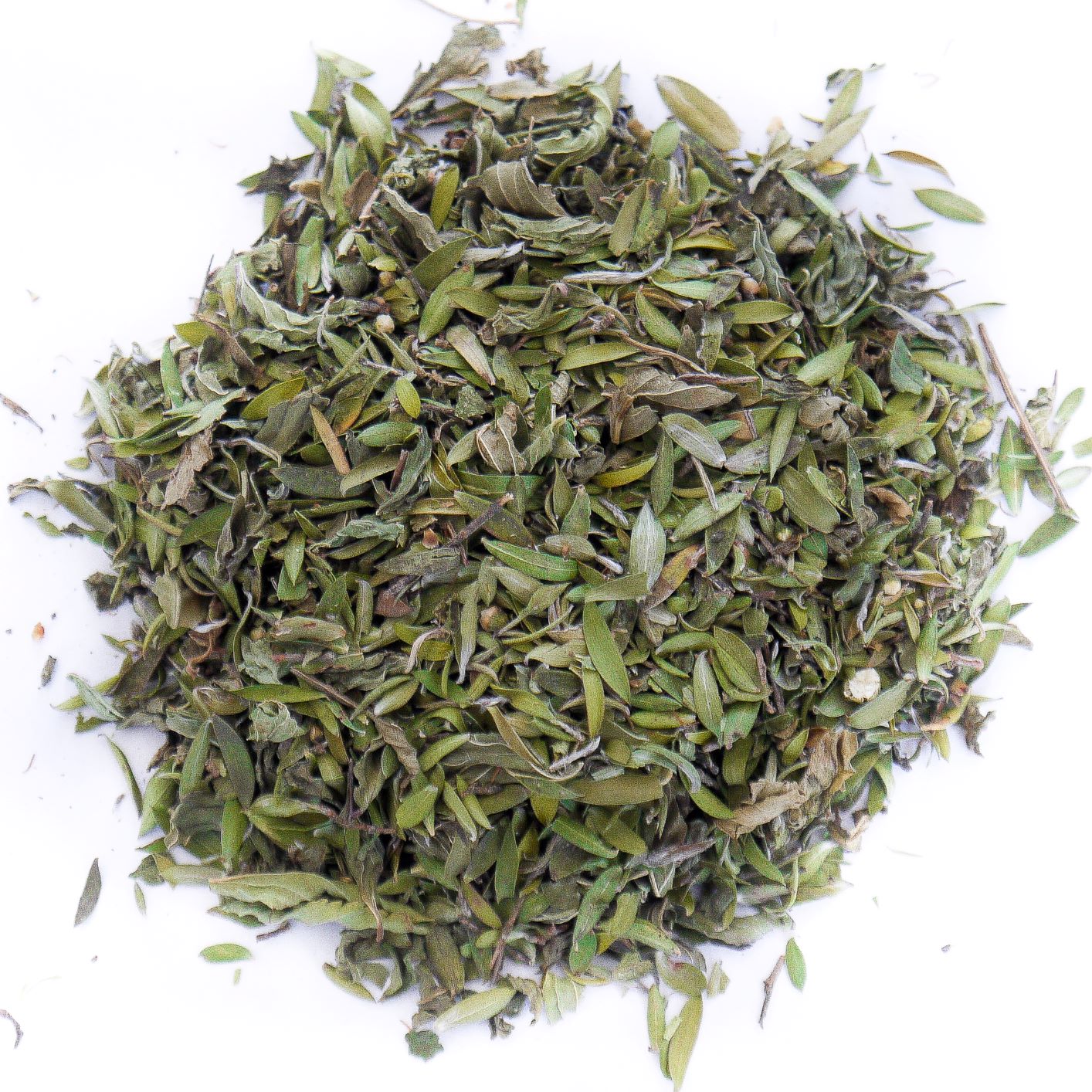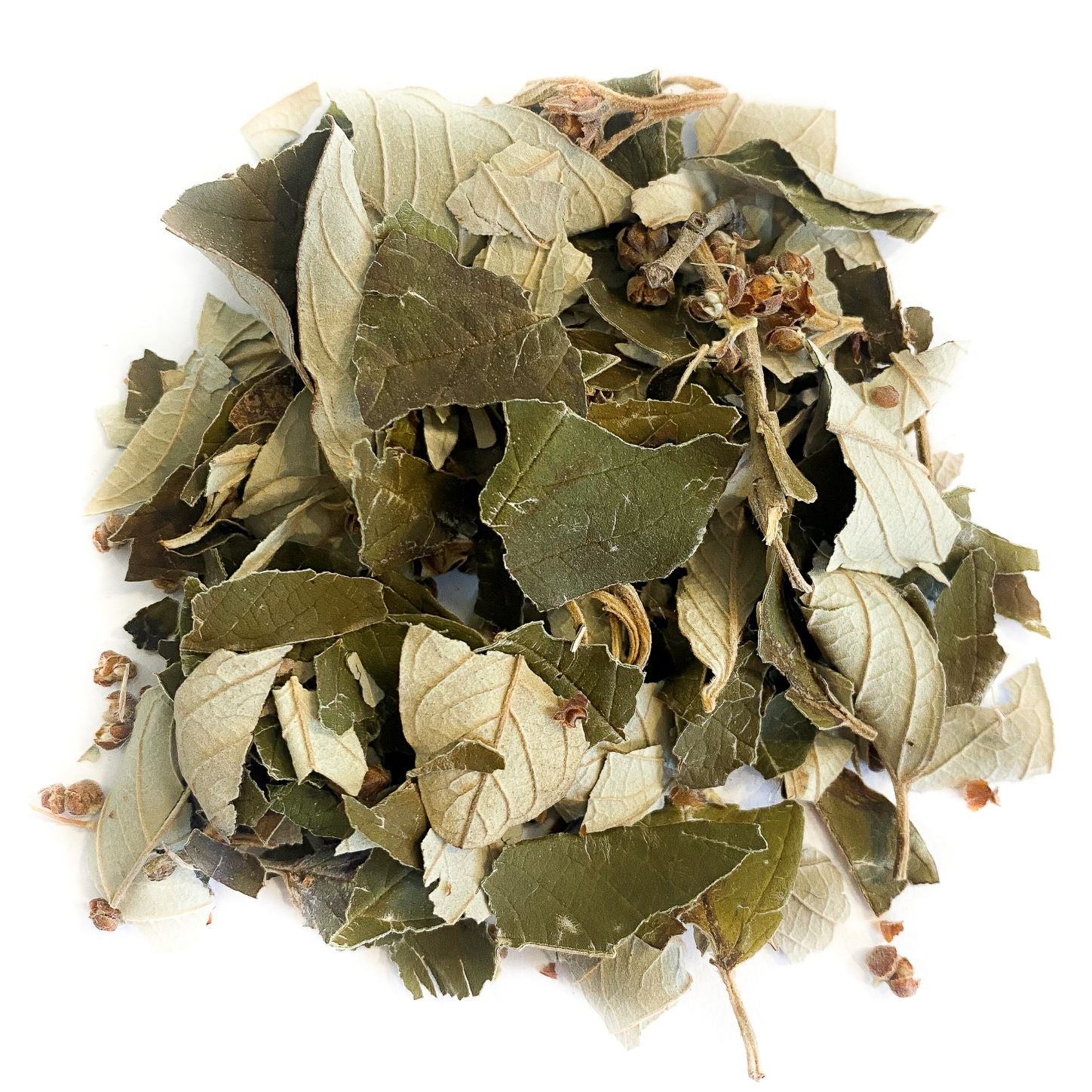


Horopito (Pseudowintera colorata) is one of our most ancient plants in Aotearoa, part of a lineage that predates the separation of Gondwana over 65 million years ago. Scientists even refer to it as a 'living fossil.' Long before it found its way into a teacup, it was treasured by Māori as a powerful healing plant, one of the most important in the rongoā Māori tradition. We think that's pretty extraordinary.
Also known as the New Zealand Pepper Tree, Horopito is easy to spot in the wild. Look for those distinctive purple-red leaves amongst the Beech trees, the colouring is what makes Horopito so easy to identify in the bush. Wild animals instinctively leave it alone, though the odd unsuspecting goat or young fawn has been known to take a piece, never ever to do so again! The one creature I'm aware of that seems unphased is the caterpillar of the Horopito Flash moth (Pseudocoremia fascialata), an endemic New Zealand moth whose larvae have developed quite the taste for it.

What Makes Horopito So Special?
The secret lies in a compound called polygodial, the same thing that gives Horopito its fiery, peppery kick.
🌿 Fun Fact: Polygodial (pronounced pol-ee-GOH-dee-al) is a sesquiterpene dialdehyde (ses-kwi-TER-peen) that activates the same heat receptors in your body as capsaicin, the compound that makes chilli peppers hot. So that tingle on your tongue is very real and very intentional. Don't worry, even we still get tongue-tied saying it!
Polygodial has been the subject of growing scientific interest for its potential antimicrobial properties and its traditional use as an anti-inflammatory remedy. It's what Māori healers have relied on for centuries to treat everything from fungal infections and skin conditions to digestive complaints.
🦷 Fun Fact: Long before scientists discovered polygodial, Māori were chewing Horopito leaves to relieve toothache. The natural heat of the plant numbed the pain effectively. Modern research has since confirmed it has genuine analgesic properties. Turns out Māori figured it out centuries ago, just by paying close attention to the whenua (land).
Drinking Horopito for Wellness
Many of our customers come to Horopito tea specifically for its wellness potential, and we love hearing how it becomes part of their daily routine. Traditionally, Horopito was used to support the body with fungal complaints, digestive issues and skin conditions. Today, people are drawn to it for similar reasons, particularly its association with candida support, sinus relief and general immune wellbeing.
Here's what some of our customers have shared in their reviews:
Davina told us it helped her get off sugar and caffeine and improved her sleep. Debbie drinks it with lemon, ginger and honey and finds it soothing for her sinuses. Kathryn calls it simply "the best medicine for balancing bodily candida."
We always recommend listening to your own body and talking to your health practitioner, especially if you have an existing condition. But if you're curious about what this ancient plant might do for you, a daily cup is a gentle and delicious place to start.

From Our Family Farm to Your Cup
At Tī Ani, our Horopito is wild-harvested by hand from our family farm in the Owen Valley, near Murchison, on the edge of the Kahurangi National Park. It's a place that feels like it exists outside of time. Kea, Kākā, Toutouwai (Robin), Kererū, Tui, Miromiro (Tomtit) and Korimako (Bellbird) fill the bush with bird song, and it feels fitting that a plant as old as Horopito calls it home.


Harvesting is mostly me and Jono, with the whānau joining in when they can. It's one of our favourite times of year. There's something deeply grounding about heading out into the bush together, finding those purple-leafed plants, and knowing you're continuing a tradition that stretches back generations.

The leaves are dried on racks, cut, and packed with care. It's a slow, unhurried process and that's exactly how it should be. For us, harvesting Horopito is as much about restoring our wairua (spiritual wellbeing) and reconnecting with the whenua as it is about making tea. When you open a packet of Tī Ani Horopito, a little bit of that valley comes with it.

What Does It Taste Like?
Horopito tea is unlike anything else. Bold, peppery, and earthy, it warms you from the first sip. As Penny, one of our customers, puts it: "Mouth tingling and warms you to your toes." That's about as perfect a description as we've heard.
Once you find your sweet spot with the amount, you'll also notice a subtle floral note underneath all that heat, which is a lovely surprise. Our customers love getting creative with it too. Debbie swears by lemon, ginger and honey. Davina adds cloves and thyme. Both sound absolutely delicious to us.
🔥 A heads up: We always recommend starting with just a pinch and working your way up from there. As Symone discovered: "Once I learnt my lesson and used a smaller amount, it still had that hot, spicy kick but also had a bit of a floral scent and taste to it which I really enjoyed." Consider yourself warned, in the best possible way.
How to Brew Horopito Tea
Brewing Horopito is a small ritual worth slowing down for. Boil fresh water, add just a pinch of leaves to start, and let them steep for 5 to 10 minutes. The longer you leave it, the bolder and spicier it gets, so find your own rhythm with it. Breathe it in while it brews. That earthy, peppery aroma is the Owen Valley in a cup.

Drink it as is, or soften the heat with a little honey. Add lemon and ginger if you're feeling under the weather. Throw in some cloves and thyme if you're feeling adventurous. This is a tea that rewards experimentation.
And if you're a little nervous about the heat, that's okay. Be brave, start with a pinch, and let it warm you to your toes. We think you'll be glad you did.
💬 Join the kōrero! Have you tried Horopito tea? We'd love to hear how you drink it - your favourite combinations, what you've noticed, or just what you thought of that first fiery sip. Leave a comment below and join the conversation!
Ready to try it? Shop our Wild Harvested Mountain Horopito Tea here and taste something that has been growing in these hills for 65 million years. We can't wait to share it with you.